
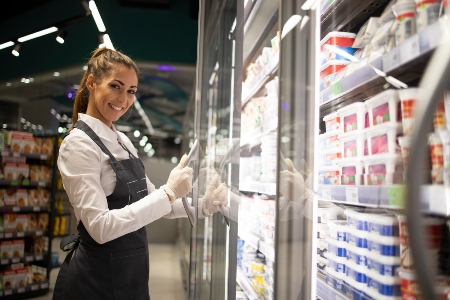
Cold & Temperature-Controlled Storage & Fulfillment Warehousing

Cold & Temperature-Controlled Storage & Fulfillment Warehousing in New York

New York’s dynamic food, pharmaceutical, and retail sectors demand sophisticated cold chain logistics New York solutions that can handle everything from farm-fresh produce destined for Manhattan restaurants to frozen meal kits shipping nationwide. Whether you’re a startup launching small-batch refrigerated fulfillment New York operations or an established brand seeking food grade cold storage New York facilities, understanding the landscape of temperature-controlled warehousing options is critical to maintaining product integrity, meeting compliance standards, and satisfying demanding customers across the tri-state area.

Types of Temperature Zones & What They're Used For

Understanding temperature requirements is fundamental to selecting the right storage partner. Modern multi-temperature storage New York facilities offer precisely controlled environments tailored to specific product categories.

≤ −18°C / −0.4°F

Frozen Storage

Frozen storage New York facilities maintain temperatures at or below -18°C (-0.4°F), ideal for long-term preservation of proteins, ice cream, frozen meals, seafood, and prepared foods. These frozen rooms prevent bacterial growth and maintain product quality for months or even years. Ice cream requires particularly stable temperatures to prevent texture degradation, while frozen proteins benefit from consistent conditions that preserve flavor and nutritional value.

2–8°C / 35–46°F

Refrigerated Storage

The refrigerated & frozen rooms within temperature controlled warehouse New York facilities operating between 2-8°C (35-46°F) serve dairy products, fresh produce, pharmaceuticals, vaccines, and biologics. This range is particularly critical for pharmaceutical cold chain New York operations, where even brief temperature deviations can render products unusable. Fresh produce requires careful humidity control within this range to prevent moisture loss while avoiding condensation that promotes spoilage.

Humidity Zones

Controlled Ambient

Some products require temperature control above refrigeration ranges but below standard ambient conditions. Specialty bakery items, certain cheeses, chocolate, and wine benefit from controlled environments typically between 10-15°C (50-59°F). Humidity-controlled zones protect products sensitive to moisture while preventing excessive dryness. Temperature-controlled distribution New York operations increasingly incorporate these specialized zones to serve premium and artisanal product categories.


Temperature Range

Typical Products

Ideal Storage Duration

≤ −18°C (−0.4°F)

Ice cream, frozen meals, proteins, seafood

6-24 months

2–8°C (35–46°F)

Dairy, produce, pharmaceuticals, vaccines

1-8 weeks

10–15°C (50–59°F)

Bakery, chocolate, wine, specialty cheese

2-12 weeks

Controlled ambient

Temperature-sensitive packaging, certain supplements

Varies

Why New York Businesses Need Temperature-Controlled Warehousing

New York offers both opportunities and challenges for businesses managing perishable goods. Its strategic gateway position, dense population, and demanding consumer base drive strong need for reliable cold storage infrastructure.
The Port of New York and New Jersey is a major entry point for frozen and refrigerated imports, making nearby warehouses ideal for reducing transit times and preserving product quality. Brooklyn and Queens serve as key hubs, providing access to Manhattan’s restaurants, retail, and delivery networks.
Seasonal demand adds complexity—summer boosts demand for ice cream, beverages, and produce, while colder months shift storage needs. Flexible, temperature-controlled storage in NYC helps businesses adapt without long-term contracts. The state’s active restaurant scene and health-conscious consumers sustain year-round demand for fresh, local products.
From Commack to Rochester and Syracuse to Long Island, strategically placed facilities ensure coverage across New York’s diverse markets—meeting local, regional, and statewide cold chain needs efficiently.

Core Fulfillment Services Offered by NY Cold-Storage Providers

Beyond basic storage, comprehensive temperature-controlled fulfillment New York providers offer integrated services that streamline operations and reduce handling touchpoints.

Multi-Temperature Storage & Pallet Racking

Advanced facilities feature multiple temperature zones within one building, enabling storage of varied product types without multiple warehouse contracts. Modern pallet racking optimizes vertical space and airflow. Reefer storage and flexible warehouse configurations with reefer plugs support import/export refrigerated container handling.

Transportation & Last-Mile Delivery

Refrigerated delivery and direct-to-store (DSD) services maintain cold chain integrity to the point of sale or doorstep. Cross-docking options transfer goods between transport modes without storage delays, improving freshness and efficiency.

Value-Added Services

Providers offer kitting for meal kits and promotions, labeling/relabeling for compliance, and co-packing to create variety packs or repackage bulk goods into retail-ready formats.

Pick & Pack Fulfillment

Cold storage pick and pack services handle both bulk B2B and individual B2C orders. These operations prioritize speed to limit temperature fluctuations. The rise of fresh and frozen e-commerce has fueled growth in cold fulfillment and dropshipping services, letting brands deliver without owning facilities.

Technology & Integrations

Modern WMS platforms ensure real-time temperature and inventory visibility. API and EDI integrations automate order flow with e-commerce, ERP, and accounting systems, ensuring accuracy, traceability, and regulatory compliance.

Compliance, Food Safety & Certifications

Operating in New York’s regulated environment requires strict adherence to food safety and pharmaceutical handling standards.

HACCP, FDA & FSMA Compliance

Facilities follow HACCP protocols to identify and control contamination risks. FDA and FSMA regulations require continuous temperature monitoring and documentation to ensure safe handling and audit readiness.

Temperature Monitoring & Traceability

Advanced sensors and data loggers track temperature in real time, triggering alerts for deviations. Temperature mapping validates consistent conditions, while lot tracking records every step from receipt to shipment—essential for quality control and recall management.

Certifications & Standards

Many warehouses maintain GMP or GDP certifications for pharmaceuticals and USDA compliance for meat and poultry, supported by regular audits, documentation, and staff training.

Insurance & Risk Management

Comprehensive insurance, backup power, redundant refrigeration, and preventive maintenance protect against losses from outages, equipment failure, or natural disasters.

Choosing the Right NY Cold Storage Partner

Selecting the right provider means evaluating more than just temperature control — reliability, flexibility, and technology matter too.

Location & Accessibility

Choose facilities near ports, highways, or urban centers to cut freight costs. NYC & Long Island sites suit dense markets & short-term storage needs.

Storage Flexibility & Capacity

Pick a warehouse that scales with your business. Flexible short- and long-term options help manage seasonal demand and growth efficiently.

Service Quality & SLAs

Check accuracy guarantees, fulfillment speed, and handling of rush or seasonal orders. Clear SLAs ensure consistent, accountable performance.

Technology & Integration

Ensure their WMS integrates with your systems via API or EDI for real-time inventory tracking and automated order flow.

Pricing & Transparency

Understand all cost components—storage, handling, pick and pack, and value-added services—to compare total pricing accurately.

Security & Compliance

Verify certifications, insurance, and safety protocols. A strong compliance record and secure facility reduce operational and regulatory risks.

Real Results from New York Cold Storage Operations

Example-1

Seasonal Produce Distribution for NYC Markets

A regional produce distributor partnered with a Queens-based cold storage facility to serve Manhattan farmers markets and restaurant accounts. By positioning inventory close to customers and utilizing FIFO inventory control (first-in, first-out) practices, they reduced product age at delivery by 40% compared to their previous upstate warehouse. The facility’s cross-docking capabilities allowed same-day redistribution of early morning deliveries to afternoon market vendors. Pick accuracy improved to 99.7%, virtually eliminating costly errors in time-sensitive produce orders. The partnership reduced spoilage by 28% while cutting last-mile delivery time from 90 minutes to under 35 minutes average.

Example-2

Frozen Direct-to-Consumer Meal Kits

A growing meal kit company transitioned from self-distribution to a specialized cold storage fulfillment partner offering integrated refrigerated fulfillment NYC services. The provider’s WMS integration connected directly to the company’s e-commerce platform, automating order flow and eliminating manual entry. By leveraging the warehouse’s existing last-mile carrier relationships, the meal kit company accessed discounted shipping rates they couldn’t negotiate independently. Order processing time decreased from 48 hours to same-day fulfillment for orders received before noon. The partnership enabled geographic expansion—the company now serves customers throughout the Northeast from a single strategically located facility. Customer complaints related to product temperature on delivery dropped by 85%, and the company achieved 99.2% on-time delivery performance.

Pricing & Contract Types Explained

Understanding New York market pricing realities helps set accurate budget expectations and enables meaningful provider comparisons.

Storage Rate Structures

Pallet storage averages $15–$35 per month, varying by temperature, volume, and term. Frozen storage costs more due to energy demands. Per-cubic-foot rates suit irregular products.

Short- vs. Long-Term Contracts

Long-term (12+ month) deals offer lower rates and guaranteed space, while short-term plans cost more but provide flexibility. Seasonal businesses can opt for hybrid terms with scalable capacity.

Surge & Seasonal Pricing

Rates rise during summer and holidays. Advance booking or fixed-capacity contracts prevent surge costs. Some providers offer off-season discounts.

Minimums & Access Fees

Most charge a minimum (4–10 pallets) even if space isn’t fully used. Frequent inventory access may add handling fees. Port-based products can incur demurrage if containers aren’t unloaded promptly.

Local Logistics: Ports, Transit Times & Distribution Map

New York’s cold chain network revolves around key access points and distribution corridors that connect regional and national markets. The Port of New York and New Jersey in Newark and Elizabeth handles a large share of refrigerated imports, making nearby areas like northern New Jersey and Staten Island prime spots for import-reliant operations. Major highways such as I-95, I-87, I-80, and I-78 link the city to New England, upstate New York, Pennsylvania, and the Midwest. Long Island facilities effectively serve dense residential areas, though bridge and tunnel traffic can affect delivery schedules. From well-positioned NYC metro facilities, Manhattan, Brooklyn, and Queens are typically reachable within 60–90 minutes, while Long Island deliveries take about 1.5–3 hours. Reaching upstate cities like Syracuse, Rochester, or Buffalo requires 4–6 hours, and nearby metros—Connecticut (2–3 hours), Philadelphia (≈2 hours), and Boston (4–5 hours)—are all within a practical radius. Strategic location minimizes transit time, reducing costs, spoilage risk, and temperature exposure. Closer facilities also enable smaller, more frequent deliveries, helping businesses maintain freshness and optimize customer inventory levels.

FAQ

Most frequent questions and answers

Temperature-controlled fulfillment combines cold storage with order processing and shipping services, maintaining products within specified temperature ranges from warehouse through delivery. This integrated approach manages inventory, picks and packs orders, and coordinates temperature-appropriate transportation—all while ensuring the cold chain remains unbroken.

Shipping frozen products nationally requires coordination between cold storage providers and specialized carriers offering refrigerated or frozen transportation. Products move from cold storage directly into temperature-controlled trucks or containers. For longer distances, many retailers require delivery to their distribution centers that can receive refrigerated trailers. Your cold storage partner can typically coordinate this transportation, leveraging established carrier relationships and understanding of retailer receiving requirements.

Essential certifications depend on your product category. Food operations should verify HACCP compliance and FDA registration. Pharmaceutical products require GDP certification and often GMP compliance. Organic products may need organic handling certification. AIB (American Institute of Baking) certification or SQF (Safe Quality Food) certification demonstrate commitment to food safety. Request documentation and verify certifications are current through independent audit organizations.

Standard fulfillment lead times range from 24-48 hours for routine orders. Many facilities offer same-day fulfillment for orders received by mid-morning cutoff times, though this may carry premium charges. Rush fulfillment within 4-6 hours is sometimes available for emergencies. Lead times may extend during peak seasons or high-volume periods. Discuss service level agreements upfront and understand how your provider handles priority orders.

Modern cold storage facilities employ warehouse management systems that track products by lot number from receiving through shipment. Each pallet or case receives a unique identifier linked to the lot code and expiration date. When products ship, the system records exactly which lots fulfilled each order. This traceability enables rapid, targeted recalls if quality issues arise. Many systems also maintain complete temperature history for each lot, documenting that products remained within specifications throughout storage.

Partner with ShipZaib for Your New York Cold Storage Needs

ShipZaib goes beyond basic cold storage—serving as a strategic fulfillment partner dedicated to quality, compliance, and growth. Whether you need frozen storage for meal kits, refrigerated fulfillment for local produce, or pharmaceutical-grade logistics, we provide the infrastructure, technology, and expertise to keep your cold chain efficient and reliable.

Our New York facilities feature multi-temperature zones (frozen to ambient), real-time WMS visibility, B2B and DTC pick & pack, kitting and labeling, and full HACCP and FDA compliance.

Ready to optimize your operations? Request a site visit or custom quote—our team will assess your temperature needs, volume, and integration goals to design a tailored solution.

Scroll to Top